How Much Exercise Does Your Dog Really Need? A Science-Based Breed Guide
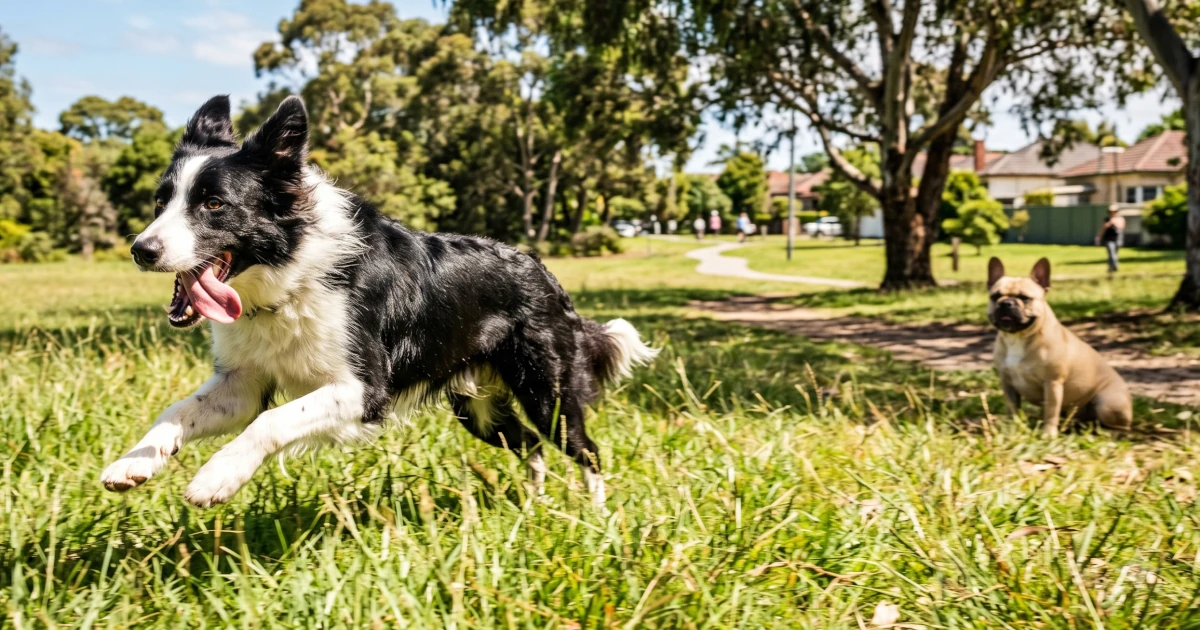
One of the most common mistakes dog owners make is assuming all dogs need the same amount of exercise. A Border Collie and a Bulldog have wildly different needs, and getting it wrong doesn’t just affect fitness. Research published in PLOS ONE shows that exercise mismatches are directly linked to behavioural problems including destructive behaviour, excessive barking, and anxiety.
What the Research Tells Us
The study examined exercise patterns across dozens of breeds and found a clear correlation: dogs that received significantly less exercise than their breed’s requirements were more likely to exhibit problem behaviours. Conversely, appropriate exercise was one of the strongest predictors of a calm, well-adjusted dog.
The takeaway? Knowing your breed’s needs isn’t optional. It’s essential for their wellbeing.
Exercise Needs by Breed Group
High Energy (60-120+ minutes daily)
These breeds were developed for sustained physical work and have energy reserves that need daily outlets:
- Border Collies, bred for all-day sheep herding, need both physical exercise and mental stimulation
- Australian Kelpies, one of Australia’s own working breeds, can cover 60+ km in a day on a farm
- Labrador Retrievers, originally bred to haul fishing nets, need vigorous daily exercise
- German Shepherds are working dogs that thrive with structured exercise and tasks
- Vizslas, Weimaraners, and Pointers are sporting breeds built for endurance
What “enough” looks like: Two substantial walks plus active play, training, or off-lead running. Mental enrichment (puzzle toys, scent work, training sessions) is equally important for these breeds.
Moderate Energy (30-60 minutes daily)
These breeds enjoy activity but don’t require marathon sessions:
- Cocker Spaniels are happy with a good daily walk and some garden play
- Beagles have moderate exercise needs, but their nose can lead them astray, so secure areas are best
- Staffordshire Bull Terriers are muscular and energetic in bursts, but not endurance athletes
- Standard Poodles are athletic and intelligent, and benefit from varied activities
- Golden Retrievers are active but typically calmer than Labs
What “enough” looks like: One solid walk of 30-45 minutes plus some play time. Most adapt well to their owner’s lifestyle as long as they get consistent daily activity.
Lower Energy (20-30 minutes daily)
These breeds are content with gentler exercise routines:
- Bulldogs (English and French) are brachycephalic breeds that overheat easily and shouldn’t be over-exercised
- Cavalier King Charles Spaniels are gentle, adaptable dogs happy with shorter walks
- Greyhounds: despite their racing heritage, retired Greyhounds are famously lazy and need surprisingly little exercise
- Shih Tzus were bred as companion dogs and are content with short walks and indoor play
- Basset Hounds are built for slow, steady tracking, not sprinting
What “enough” looks like: A couple of shorter walks plus some gentle indoor activity. For brachycephalic breeds, always prioritise cool conditions and watch for breathing difficulties.
Signs Your Dog Isn’t Getting Enough Exercise
- Destructive behaviour like chewing furniture, digging holes, or shredding toys
- Excessive barking or whining
- Hyperactivity and inability to settle, or “zoomies” that never end
- Weight gain
- Attention-seeking behaviour such as nudging, pawing, or following you everywhere
Signs Your Dog Is Getting Too Much Exercise
Yes, this is also a problem:
- Excessive panting or difficulty recovering after activity
- Limping or reluctance to walk the next day
- Sleeping significantly more than usual
- Worn or cracked paw pads
- Puppies: joint and growth plate damage. Puppies should not do sustained high-impact exercise
The Puppy Rule of Thumb
For puppies, a common guideline is 5 minutes of exercise per month of age, twice a day. So a 4-month-old puppy gets two 20-minute sessions. This protects developing joints and growth plates.
Why Your Pet Sitter Needs to Know This
When you book a pet sitter, they need to understand your dog’s breed-specific exercise requirements. An under-exercised Kelpie will redecorate your house. An over-exercised Bulldog could end up at the emergency vet.
A qualified vet nurse sitter understands these differences instinctively. They’ll tailor their care to your dog’s breed, age, health status, and energy level rather than applying a one-size-fits-all approach.
The Key Takeaway
Exercise isn’t just about physical fitness. It’s about mental health, behaviour, and quality of life. Understanding what your specific dog needs, and making sure anyone who cares for them understands it too, is one of the most important things you can do as a pet owner.