Separation Anxiety in Pets: The Science Behind the Stress

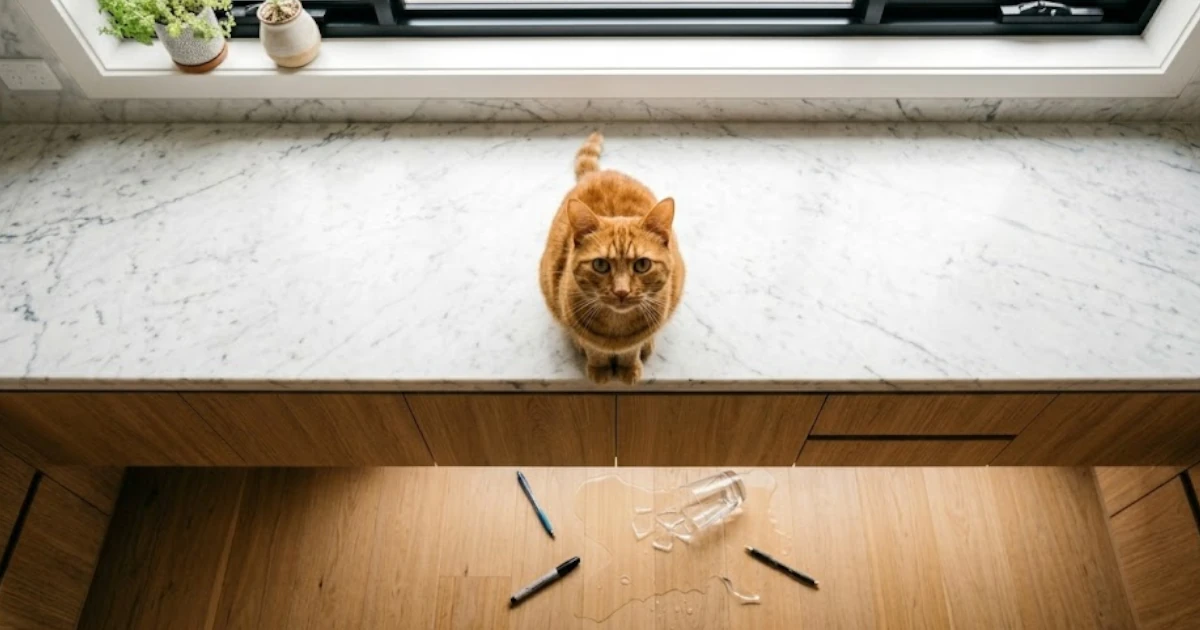
If you’ve ever come home to chewed furniture, noise complaints from neighbours, or a pet that practically vibrates with relief when you walk through the door, you’re not alone. Separation anxiety is one of the most common behavioural issues in companion animals — and the science behind it is fascinating.
What the Research Says
A landmark study published in Applied Animal Behaviour Science found that cortisol levels in dogs spike significantly within the first 30 minutes of their owner’s departure. This isn’t just “missing you” — it’s a genuine physiological stress response, complete with elevated heart rate and stress hormones.
The same research found something equally important: dogs left with a familiar caregiver showed dramatically lower stress markers than those left alone. The presence of someone they know and trust makes a measurable, biological difference.
Signs Your Pet May Have Separation Anxiety
It’s not always obvious. While destructive behaviour is the classic sign, watch for these subtler indicators:
- Excessive panting or drooling when they sense you’re about to leave
- Pacing or circling near the door after you’ve gone
- Loss of appetite when you’re away, even if food is available
- Excessive vocalisation — barking, howling, or whining that starts shortly after departure
- Toileting accidents in otherwise house-trained pets
- Cats becoming unusually withdrawn or hiding for extended periods
Why It Happens
Separation anxiety can develop for several reasons:
- Changes in routine — a new work schedule, moving house, or a family member leaving
- Rescue or rehomed animals — pets with uncertain histories are more prone
- Over-bonding with a single person — common in lockdown-era pets
- Lack of gradual desensitisation — puppies and kittens that were never taught to be alone
How a Trusted Pet Sitter Helps
This is where the research gets really practical. The studies consistently show that the key factor in reducing separation stress isn’t toys, treats, or calming music (though those can help). It’s the presence of a familiar, trusted person.
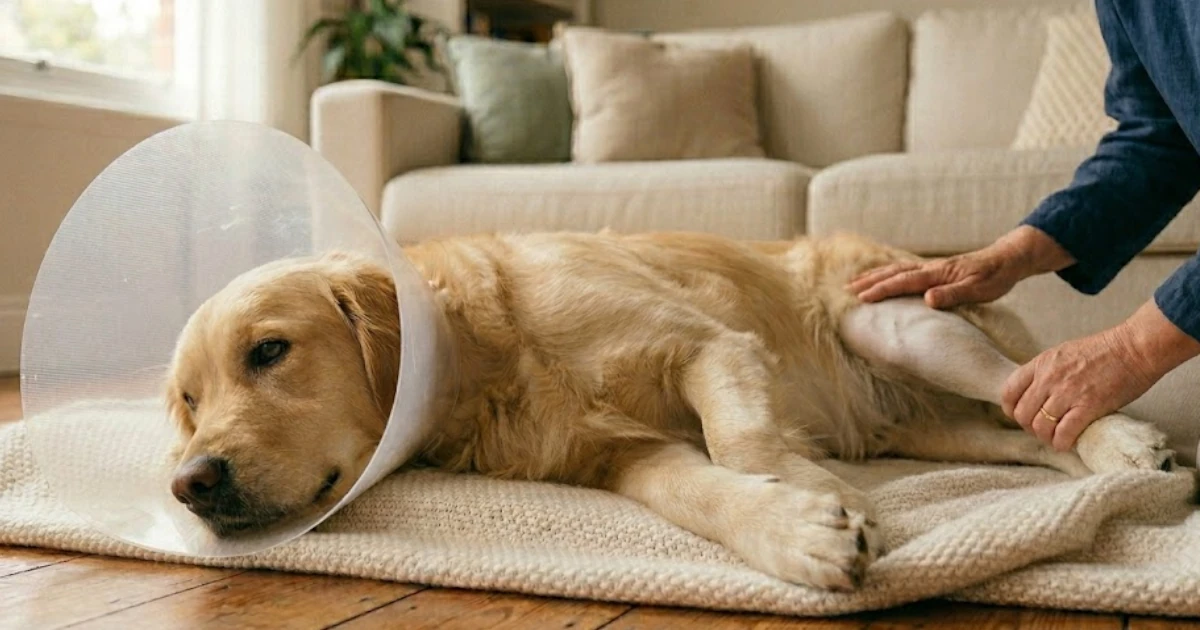
A qualified vet nurse sitter doesn’t just watch your pet — they understand the physiological signs of stress and can intervene early. They know when panting is anxiety versus heat, when reduced appetite is worry versus illness, and how to create a calm, structured environment.
Building Familiarity
The best approach is introducing your sitter before you need them:
- Meet-and-greet visits let your pet associate the sitter with positive experiences
- Short practice sessions before longer absences help build confidence
- Consistent routines — a good sitter will follow your pet’s usual schedule for walks, meals, and play
The Bottom Line
Separation anxiety isn’t your pet being “naughty” — it’s a genuine stress response backed by decades of veterinary research. The good news? The solution is straightforward: a trusted, familiar caregiver who understands animal behaviour.
Your pet doesn’t need to suffer when you’re away. With the right care, departures can become a non-event rather than a crisis.